
All Omnitrix Types & Variants: Complete Guide to Every Model & Version
Since its debut in the animated series, the Omnitrix has captivated fans with its alien-transforming technology and sleek wrist-mounted design. Over multiple story arcs and franchise installments, the device has evolved through several distinct models—each with its own feature set, aesthetic, and role in the narrative.
Whether you’re tracking down a specific variant for your collection or trying to understand which model appeared in which season, this guide covers all Omnitrix types and their defining characteristics. We’ll walk through the original prototype, recalibrated versions, the Ultimatrix upgrade, and specialty editions that have appeared across the franchise’s history.
The Original Prototype Omnitrix
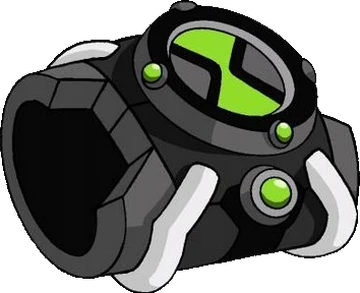
The first Omnitrix to appear on-screen was Azmuth’s prototype—a bulky, largely green-and-black device with a prominent dial interface. This version lacked some of the safeguards and polish of later models, leading to occasional mistransformations and time-out malfunctions that became central plot points.
Design-wise, the prototype featured a raised faceplate, rotating selection dial, and simple status lights. Its transformation roster was initially limited to ten aliens, though additional DNA samples were unlocked throughout the original series. Collectors often seek out early replica versions that faithfully recreate the prototype’s chunky wrist-mounted form and mechanical dial action.
Despite its rough edges, the prototype remains iconic for introducing core Omnitrix conventions—voice-command locks, master control mode, and the signature activation sequence that became a franchise hallmark.
Alien Force Recalibration & Redesign
When the timeline jumped forward, the Omnitrix underwent a dramatic recalibration that reshaped both its interface and internal architecture. The Alien Force model introduced a sleeker, more streamlined silhouette with a green-and-white color scheme and a touch-sensitive holographic dial.
This version offered voice recognition, faster transformation cycling, and access to a broader alien playlist that reflected Ben’s maturity as a wielder. The recalibrated unit also featured improved failsafes—reducing accidental transformations and mistimed reversions that plagued the prototype.
Fans debate whether the streamlined aesthetic represents an upgrade or a loss of the original’s mechanical charm, but the Alien Force Omnitrix undeniably set the visual template for later iterations. Its holographic interface became a signature element carried forward into subsequent models.
Ultimate Omnitrix & Evolutionary Function
The Ultimatrix introduced a defining new capability: evolving selected aliens into ‘ultimate’ forms by simulating worst-case survival scenarios. This model retained the Alien Force silhouette but added red accents and a central spike detail that distinguished it at a glance.
Beyond the evolution feature, the Ultimatrix included weapon-summoning functionality and expanded DNA storage—allowing the wielder to access forms not available in earlier models. However, this version also carried risks: prolonged use of ultimate forms generated psychological strain, and the device’s more aggressive programming occasionally influenced the user’s behavior.
Collectors prize Ultimatrix replicas for their distinctive red trim and the mechanical ‘ultimate mode’ toggle that activates light and sound effects tied to the evolutionary transformation sequence.
Omniverse Reboot & Modular Attachments
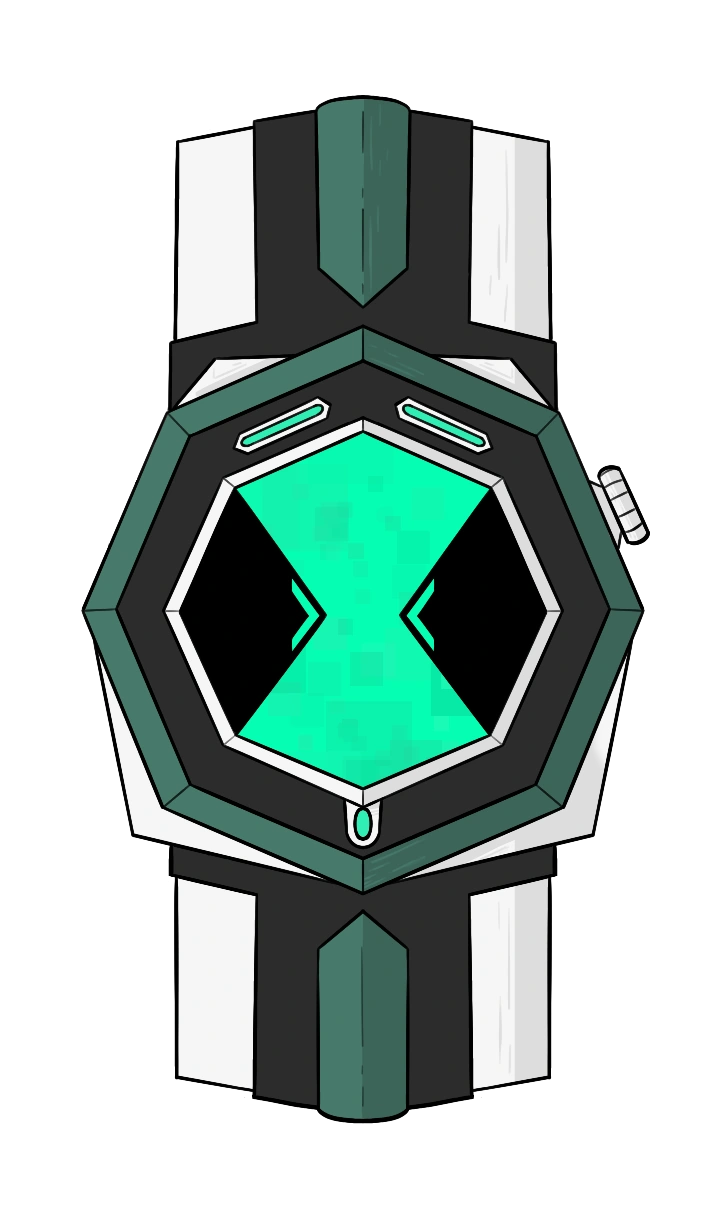
The Omniverse storyline brought another visual overhaul—this time favoring a bulkier, more segmented design with bright green plating and pronounced mechanical details. The Omniverse Omnitrix featured a pop-up holographic display and modular attachment points that allowed temporary upgrades or auxiliary devices to be mounted directly onto the wristband.
This iteration emphasized customization: certain story arcs introduced snap-on modules that granted abilities like enhanced scanning, DNA repair, or temporary access to restricted transformation codes. The modularity also meant the device could be visually altered mid-season without requiring a full replacement.
From a replica standpoint, Omniverse models often include swappable faceplates or accessory packs, mirroring the on-screen modularity and giving collectors multiple display configurations from a single base unit.
Limited & Prototype Variants
Beyond the main-timeline models, several one-off and alternate-universe variants have appeared across movies, specials, and non-canon storylines. These include the Deluxe Omnitrix seen in promotional material—a hybridized design combining elements from multiple eras—and the ‘Omnitrix 2.0’ hinted at in future-timeline episodes.
Some variants exist only as concept art or limited merchandise runs, making them especially prized by completionists. Others, like the malfunctioning ‘Anti-Omnitrix’ or the cosmic-powered ‘Ascalon-linked’ version, represent experimental story beats rather than mass-produced replicas.
For those tracking every variant, fan wikis and collector forums catalog even the briefest background appearances—helping enthusiasts distinguish between canonical upgrades and Easter-egg cameos.
Choosing Your Omnitrix Era
From the mechanical charm of the original prototype to the holographic interfaces of later models, all Omnitrix variants offer distinct aesthetics and feature sets that appeal to different eras of fandom. Whether you’re building a replica collection, tracking on-screen appearances, or simply curious about the device’s evolution, understanding each model’s unique characteristics helps you appreciate how the franchise has grown.
For those diving deeper into the broader mythology, the Omnitrix’s design changes mirror the series’ shift from straightforward action-adventure to more complex sci-fi storytelling. Each iteration reflects not only technological progression within the show’s universe, but also the franchise’s willingness to reinvent its core icon while preserving the transformation mechanic that made it legendary.
Notes
Across the main animated continuity, five primary models appear: the original prototype, the Alien Force recalibration, the Ultimatrix, the Omniverse redesign, and the rebooted version introduced in 2016. Each represents a distinct era with its own feature set and aesthetic.
Beyond these, alternate timelines and movies introduce at least a dozen one-off or non-canonical variants—some as plot devices, others as background details. Collectors typically focus on the five main-continuity models, as these have corresponding replica toys and official documentation.
The Ultimatrix builds on the recalibrated Alien Force model by adding evolutionary simulation—allowing the user to transform selected aliens into ‘ultimate’ versions optimized for extreme survival conditions. Visually, it features red accents instead of green, and a central spike detail on the faceplate.
Functionally, the Ultimatrix also includes weapon-generation capabilities and a broader alien roster, but at the cost of increased psychological strain during prolonged use. The original Omnitrix and its recalibration lack these features entirely.
The completed Omnitrix—shown in future-timeline episodes and the series finale—theoretically contains over one million distinct DNA samples, though only a fraction are ever accessed on-screen. Among models seen during their active use, the Omniverse version offers the broadest confirmed roster, with over seventy named transformations appearing across episodes.
The prototype started with ten and gradually expanded, while the Alien Force and Ultimatrix models each hovered around twenty to thirty frequently used forms. Ultimate versions count as separate transformations within the Ultimatrix’s total.
No—replica toys and collectibles are produced for each major on-screen version, from the chunky prototype to the sleek Alien Force redesign and the angular Omniverse model. Each replicates the specific aesthetic, dial mechanism, and light-and-sound effects of its corresponding animated counterpart.
Some deluxe collector editions combine features from multiple eras or include interchangeable faceplates, but standard replicas remain era-specific. When choosing all Omnitrix variants for a collection, expect to acquire separate units for each design generation.
In theory, the completed Omnitrix contains DNA from every sentient species in the known universe—over a million samples according to Azmuth’s design notes. In practice, the device is typically locked to a curated playlist to prevent misuse or accidental access to dangerous forms.
The master control mode, when unlocked, removes playlist restrictions and allows instant switching without time limits. However, this mode is rarely activated outside of emergency scenarios, as it also disables several built-in safeguards designed to protect the wielder.
Each animated series introduced a visual refresh to match its updated art style and target demographic. The prototype’s bulky, toy-like appearance suited the original series’ younger audience, while the Alien Force recalibration introduced a sleeker profile for an older viewership.
In-universe, these changes are explained as recalibrations, upgrades, or complete rebuilds—often tied to plot events like the device being damaged or Azmuth installing new functionality. Out-of-universe, they reflect evolving animation technology and merchandising strategies across the franchise’s fifteen-year run.